

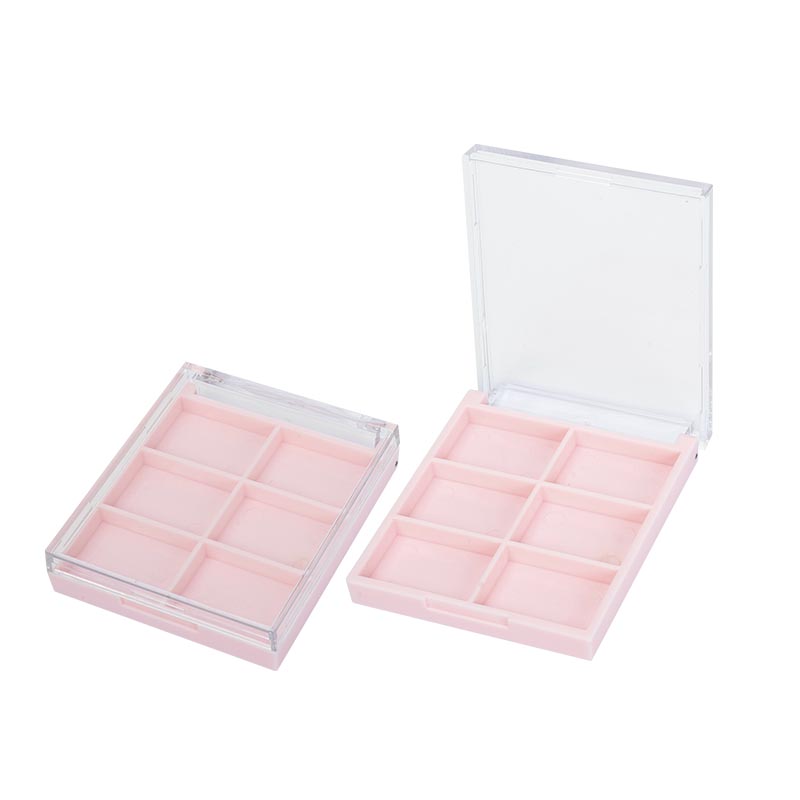
A compact powder case is a SMALL cosmetic container designed to hold pressed powder, foundation, blush, or similar makeup products in a convenient portable format. One of the most common issues users face with a compact powder case is a loose mirror inside. A mirror that shifts, rattles, or detaches can make the compact less practical, reduce perceived quality, and create a poor user experience. For brands, retailers, packaging buyers, and cosmetics manufacturers, understanding how to fix a loose mirror inside a compact powder case is essential for product quality control, packaging durability, and customer satisfaction.
This guide provides industry-focused, SEO-friendly information about compact powder cases, common mirror attachment problems, practical fixing methods, material considerations, structural designs, quality inspection tips, and packaging specifications. It is written for use in blogs, product category pages, Cosmetic Packaging directories, and beauty industry pages. All content is general and non-brand-specific.
A compact powder case is a rigid or semi-rigid cosmetic package used to store pressed powder products in a compact, travel-friendly form. Most compact powder cases include a powder pan, a lid, a hinge or magnetic closure, and often an internal mirror. The mirror is usually attached to the inner lid so users can apply makeup easily on the go. In modern cosmetic packaging, compact powder cases are designed to balance functionality, appearance, portability, and product protection.
The structure of a compact powder case can vary depending on the product line. Some cases are simple and lightweight, while others feature premium finishes, decorative panels, refillable systems, or custom branding. However, regardless of design style, the mirror should remain secure during daily opening and closing, transport, and repeated use.
A loose mirror inside a compact powder case can result from several packaging and manufacturing factors. Understanding the cause is the first step in learning how to fix a loose mirror inside a compact powder case. In most cases, the issue is related to adhesive failure, poor assembly, material incompatibility, or repeated stress on the inner lid.
| Common Cause | Description | Typical Result |
|---|---|---|
| Weak adhesive bond | Insufficient glue strength or improper adhesive selection for the mirror surface and lid material | Mirror shifts, lifts, or falls off |
| Poor surface preparation | Dust, oil, mold release agent, or moisture on the contact area prevents proper bonding | Uneven attachment and reduced durability |
| Improper assembly pressure | Mirror is not pressed firmly enough during production | Edges loosen over time |
| Material mismatch | The adhesive does not perform well on plastic, metal, or coated surfaces | Adhesive failure after use |
| Frequent opening and closing | Repeated movement of the lid causes mechanical stress | Mirror frame or back layer weakens |
| Heat and humidity exposure | Storage in hot or humid environments affects glue performance | Mirror becomes loose or cloudy |
| Low-quality mirror backing | Thin backing film or weak mounting layer fails under stress | Mirror detaches partially or fully |
There are several practical ways to fix a loose mirror inside a compact powder case. The correct method depends on whether the mirror is only slightly shifted, partially detached, or completely separated from the lid. For product repair, prototype correction, or quality improvement, the goal is to restore secure mirror attachment without damaging the compact powder case or affecting the appearance of the inner lid.
The first step in fixing a loose mirror inside a compact powder case is cleaning the bonding surfaces. If dust, powder residue, oil, or old adhesive remains on the lid or mirror back, the new bond may fail. Use a soft lint-free cloth to remove loose particles. For manufacturing or repair settings, alcohol wipes or safe cleaning solutions may be used to remove residue, provided they do not damage the case material.
Clean surfaces improve mirror adhesion and help prevent repeat failure. This step is especially important for plastic compact powder cases, glossy inner lids, and recycled material packaging, where surface contamination can reduce adhesive performance.
A strong, compatible adhesive is one of the most effective solutions for a loose mirror inside a compact powder case. The adhesive must work well with both the mirror backing and the case material. In cosmetic packaging, common options include pressure-sensitive adhesives, double-sided mounting tape, epoxy-based adhesives, and specialty industrial glues. The best choice depends on the compact powder case structure, production speed, cost target, and temperature resistance requirements.
For consumer repair, adhesive strips can be used for minor detachment problems. For manufacturing, adhesive selection should be tested under real storage and transport conditions. Poor adhesive choice is one of the most common reasons a compact powder case mirror becomes loose again after repair.
If the mirror has shifted but is still attached, carefully reposition it before the adhesive fully sets. Alignment matters because a misaligned mirror can affect usability and visual appeal. The mirror should sit evenly within the inner lid without overlapping decorative elements, brand prints, or hinge movement areas.
Correct placement improves both function and aesthetics. In premium compact powder case designs, a centered mirror is often expected for a clean and professional finish.
After placing the mirror back into position, apply firm and even pressure for the recommended curing or bonding time. This helps the adhesive make full contact with the surface. Uneven pressure can create air gaps and weak points that lead to another loose mirror issue.
In production lines, controlled pressing tools or jigs are often used to ensure consistency. In small-scale repair, clean hands and a flat pressing surface can improve results. Avoid pressing so hard that the inner lid deforms, especially in thin plastic compact powder cases.
If the mirror backing is cracked, warped, or peeling, reattachment alone may not solve the issue. A damaged backing layer weakens the bond and reduces long-term stability. In that case, the mirror should be replaced rather than repaired.
Replacing the mirror may be the best option when the compact powder case is intended for resale, private label use, or retail display. A new mirror can restore both function and appearance, especially in premium cosmetic packaging.
For repeated loose mirror problems, the compact powder case structure itself may need reinforcement. Adding a recessed mirror pocket, better support ribs, stronger lid material, or improved adhesive contact area can help stabilize the mirror. Some compact powder case designs use a molded frame or insert layer to hold the mirror more securely.
Structural reinforcement is especially useful in refillable compact powder case systems, where the case is opened and reused multiple times. A stronger inner lid design improves product lifespan and reduces returns.
If you want to reduce mirror loosening in compact powder cases, the attachment process should be designed for consistency. A stable mirror depends on good materials, careful assembly, and quality control. Below are some industry best practices for stronger mirror attachment.
| Best Practice | Purpose | Benefit |
|---|---|---|
| Surface cleaning | Remove dust, oil, and residue before bonding | Improves adhesive performance |
| Adhesive compatibility testing | Match glue to lid and mirror materials | Reduces bond failure |
| Controlled pressing | Ensure even contact during assembly | Creates stronger mirror fixation |
| Temperature resistance testing | Check performance in hot and cold storage | Prevents loosening during shipping |
| Humidity resistance testing | Evaluate bonding stability in moist environments | Improves shelf life and durability |
| Drop and vibration tests | Simulate transport and consumer use | Identifies weak mirror attachment early |
| Visual inspection | Check alignment and edge coverage | Enhances product appearance and quality |
Compact powder cases can be manufactured from a wide variety of materials. The case body, lid, hinge, mirror backing, and decorative surface all affect mirror stability and overall product performance. Choosing the right materials is important for fixing a loose mirror inside a compact powder case and for preventing future problems.
| Material | Typical Use | Advantages | Considerations |
|---|---|---|---|
| ABS plastic | Case body and lid | Durable, rigid, easy to mold | Adhesive compatibility must be tested |
| PP plastic | Lightweight compact powder case | Low cost, flexible, recyclable in some systems | Surface energy is low, making bonding harder |
| Metal | Premium compact powder case | Strong, elegant, long-lasting | Heavier and may require specialized adhesives |
| pet or PS components | Transparent windows or insert parts | Good visual effect, lightweight | May be sensitive to certain adhesives or heat |
| Mirror glass | Reflective surface | Clear reflection, premium feel | Needs safe handling and secure mounting |
| Foam or tape backing | Mirror mounting layer | Cushions stress, easy assembly | May degrade if low quality |
A compact powder case with a secure mirror offers clear advantages for both end users and cosmetic brands. It improves the user experience, supports brand perception, and increases product value. The mirror is not just an accessory; it is a functional component that affects daily usability.
The following table provides a general industry reference for compact powder case specifications. Actual dimensions, structures, and finishes vary depending on the product concept, target market, and packaging requirements.
| Specification | Common Range | Description |
|---|---|---|
| Product type | Pressed powder compact case | Used for powder, foundation, blush, or finishing products |
| Case shape | Round, Square, oval, or custom | Selected based on branding and product positioning |
| Closure type | Snap closure, magnetic closure, or clasp | Must hold the lid securely during daily use |
| Mirror position | Inner lid | Common placement for user convenience |
| Mirror attachment | Adhesive, tape, insert frame, or molded support | Should be stable and durable |
| Material | Plastic, metal, or mixed-material structure | Chosen for cost, appearance, and performance |
| Finish | Glossy, matte, metallic, soft-touch, or decorated | Affects visual appeal and branding |
| Use case | Retail, travel, refillable, promotional, or private label | Depends on channel and target user |
| Quality concern | Loose mirror, hinge wear, surface scratching, closure failure | Common inspection points during production |
Quality control is critical when producing or sourcing a compact powder case. A loose mirror inside a compact powder case is often preventable through proper testing and inspection. Manufacturers should examine both the adhesive bond and the final assembled product before shipment.
Prevention is more effective than repair. If you are managing cosmetic packaging development, the best way to avoid a loose mirror inside a compact powder case is to build quality into the design and assembly process from the beginning. This includes choosing the right lid thickness, using compatible adhesives, creating a stronger mirror pocket, and validating the structure under real-world conditions.
In addition, suppliers should maintain consistent production standards, store materials properly, and monitor environmental factors that may affect bonding performance. A compact powder case that performs well in storage, shipping, and daily use is more likely to deliver a positive customer experience and fewer returns.
Consumers and buyers often ask similar questions when a mirror becomes loose inside a compact powder case. These concerns usually focus on durability, appearance, and whether the case can be repaired or reused.
| Concern | Answer |
|---|---|
| Can a loose mirror be fixed? | Yes, if the mirror and lid are not severely damaged, it can often be reattached. |
| Will adhesive damage the compact powder case? | It can if the wrong adhesive is used, so compatibility matters. |
| Should the mirror be replaced? | If the backing is cracked or the mirror is badly warped, replacement is usually better. |
| Why does the mirror loosen again? | Improper surface prep, weak glue, or repeated stress are common reasons. |
| Can the compact powder case still be used safely? | Usually yes, but loose parts should be repaired to avoid inconvenience or breakage. |
For blog pages, catalog pages, and industry landing pages, compact powder case content can be optimized around a cluster of related search phrases. Using keyword-rich, natural language helps search engines understand the topic and improves relevance for cosmetic packaging queries.
A loose mirror inside a compact powder case is a common but manageable problem in cosmetic packaging. With proper cleaning, compatible adhesive selection, careful alignment, and solid quality control, the mirror can often be fixed securely and kept stable over time. For manufacturers and packaging buyers, the best long-term solution is to improve the compact powder case structure, test materials carefully, and use reliable assembly methods that reduce the risk of mirror loosening.
Whether you are building an industry page, writing a blog post, or preparing catalog content, understanding compact powder case how to fix loose mirror inside supports better product education, stronger SEO visibility, and more useful information for your audience. A well-designed compact powder case should be attractive, durable, and easy to use, with a mirror that stays firmly in place throughout the product lifecycle.
```
Jinhua Xingqiao Plastic Industry Co., Ltd.
 Mobile phone: +008613868982062
 Telephone: +86-579-82196667
 Fax: +86-579-82196656
 E-mail: sales@zjxqpackaging.com
 Website: http://www.zjxqpackaging.com
 Address:No. 377, Yongxue Street, Wucheng District, Jinhua City, Zhejiang Province
Copyright © 2022 Jinhua Xingqiao Plastic Industry Co., Ltd
This website uses cookies to ensure you get the best experience on our website.

 Pусский
 한국어
한국어 ไทย
ไทย Indonesia



 Phone
Phone
Comment
(0)