

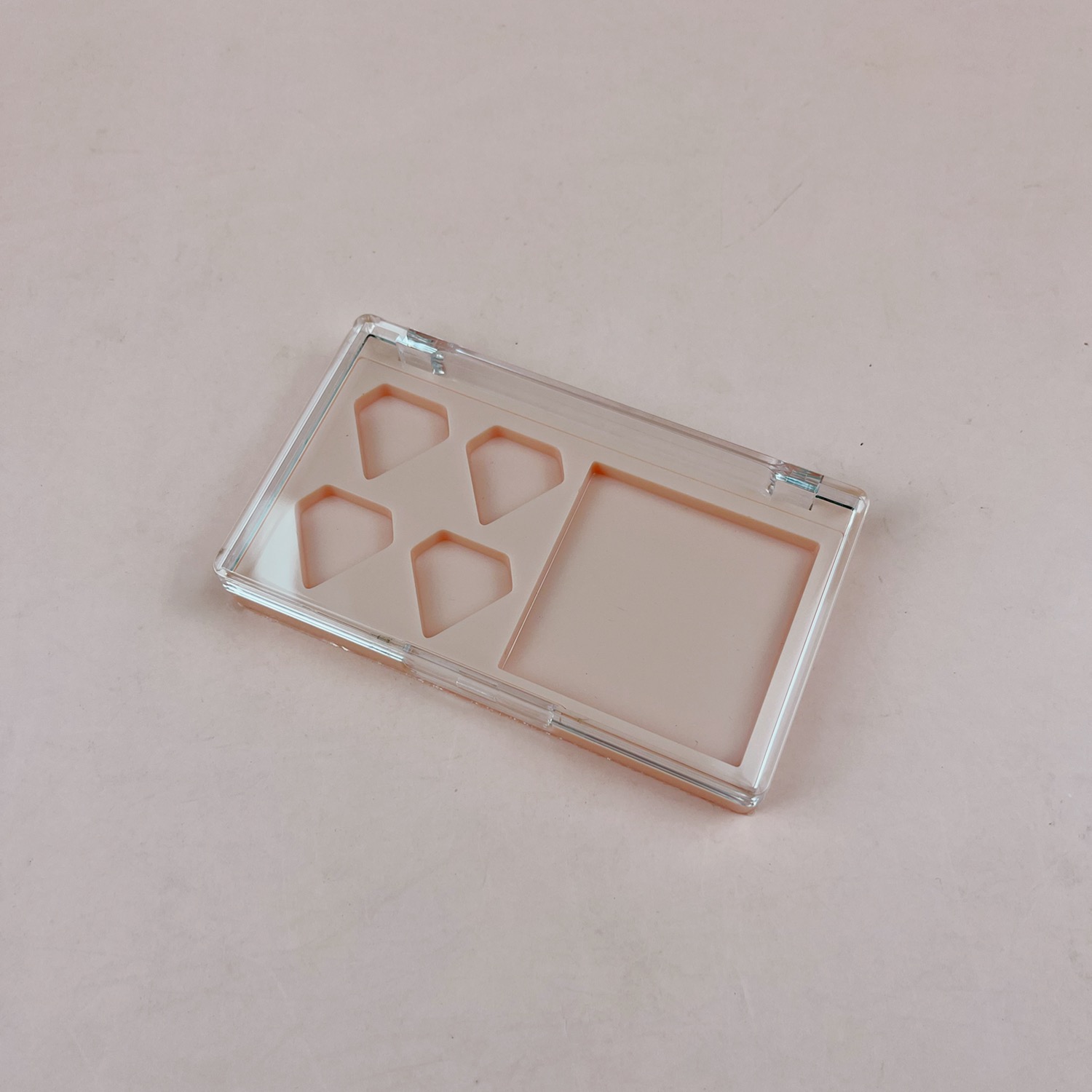
How to Design Eyeshadow Palette Packaging for Branding
Industry BackgRound and Market Demand
The global cosmetics packaging market is projected to reach $37.3 billion by 2027, with eyeshadow palettes being a key growth segment. As brands compete for shelf space and e-commerce visibility, packaging design has evolved from a protective shell to a critical branding tool. A well-designed eyeshadow palette not only preserves product integrity but also communicates brand identity, enhances user experience, and drives purchase decisions.
Consumer preferences increasingly favor sustainable, functional, and aesthetically distinctive packaging. Market research indicates that 72% of beauty buyers consider packaging design when making purchasing decisions, while 64% are willing to pay a premium for eco-friendly solutions. This shift demands a strategic approach to material selection, structural engineering, and graphic design.
Core Design Principles
1. Brand Alignment
Packaging must reflect a brand’s visual language—color schemes, typography, and finish should align with the company’s overall identity. Luxury brands often use metallic foiling or embossing, while indie labels may opt for matte textures and bold illustrations.
2. Functionality
A high-performance palette balances protection and usability. Critical features include:
- Hinge Mechanism: Magnetic or snap closures prevent accidental openings.
- Mirror Integration: A tilt-resistant mirror improves in-use stability.
- Pan Configuration: Customizable layouts (e.g., modular inserts) accommodate seasonal collections.
3. Material Science
Common substrates include:
- ABS Plastic: Durable and lightweight, ideal for mid-range products.
- Recycled PET: Offers sustainability without compromising structural integrity.
- Metal Alloys: Used for premium palettes, providing a luxury feel but requiring corrosion-resistant coatings.
Manufacturing and Quality Control
Key Production Processes
1. Injection Molding: For plastic components, ensuring uniform wall thickness (1.5–3mm) prevents warping.
2. Printing Techniques: Digital printing allows intricate designs, while silk screening ensures colorfastness.
3. Assembly: Automated glue application (0.1–0.3mm bead width) secures mirrors and pans without seepage.
Critical Quality Factors
- Drop Test Compliance: Palettes must withstand 1.2-meter falls (ASTM D5276 standard).
- Chemical Resistance: Coatings should prevent pigment migration into packaging.
- Closure Durability: Hinges must endure 5,000+ open/close cycles.
Supplier Selection Criteria
When sourcing packaging suppliers, brands should evaluate:
1. Certifications: ISO 22716 (cosmetics GMP) and FSC (sustainable forestry) compliance.
2. Prototyping Capability: 3D printing turnaround <72 hours for iterative design testing.
3. Minimum Order Quantity (MOQ): Flexible MOQs (≤5,000 units) benefit emerging brands.
Industry Challenges
1. Sustainability vs. Cost: Biodegradable materials like PLA can increase unit costs by 20–30%.
2. Counterfeit Prevention: Holographic seals or QR codes are essential but add complexity.
3. Regulatory Hurdles: EU’s PPWR (Packaging and Packaging Waste Regulation) mandates 65% recycled content by 2025.
Case Study: Successful Implementation
A leading vegan beauty brand redesigned its palette using post-consumer recycled aluminum (85% reduction in carbon footprint). The compact featured a patent-pending "click-lock" hinge and soy-based inks. Post-launch, the product saw a 40% increase in repeat purchases, with 58% of customers citing packaging as the primary reason for rebuying.
Emerging Trends
1. Smart Packaging: NFC tags linking to tutorials or ingredient transparency.
2. Modular Systems: Interchangeable pans to reduce waste.
3. Augmented Reality Integration: AR-enabled designs for virtual try-ons.
FAQ
Q: How does palette weight impact shipping costs?
A: Keeping palettes under 200g avoids dimensional weight penalties in air freight. Hollow-wall designs can reduce mass by 15%.
Q: What’s the ROI of sustainable packaging?
A: Brands report 22% higher customer retention with eco-friendly designs, offsetting initial cost premiums within 18 months.
Conclusion
Eyeshadow palette packaging is a convergence of engineering, sustainability, and brand storytelling. By prioritizing material innovation, user-centric design, and supply chain transparency, brands can create packaging that protects products, resonates with consumers, and complies with evolving regulations. The future lies in adaptive designs that balance aesthetics with circular economy principles.
(Word count: 1,280)
Jinhua Xingqiao Plastic Industry Co., Ltd.
 Mobile phone: +008613868982062
 Telephone: +86-579-82196667
 Fax: +86-579-82196656
 E-mail: sales@zjxqpackaging.com
 Website: http://www.zjxqpackaging.com
 Address:No. 377, Yongxue Street, Wucheng District, Jinhua City, Zhejiang Province
Copyright © 2022 Jinhua Xingqiao Plastic Industry Co., Ltd
This website uses cookies to ensure you get the best experience on our website.

 Pусский
 한국어
한국어 ไทย
ไทย Indonesia



 Phone
Phone
Comment
(0)