

 Pусский
 한국어
한국어 ไทย
ไทย Indonesia
with brush
Using a brush is both a practical technique and a form of expression. Whether applied in painting, calligraphy, or everyday tasks like cleaning and grooming, the brush is a simple tool that allows for surprisingly complex results. Its basic structure—a handle and a cluster of bristles—conceals a wide range of possibilities determined by material, shape, and method of use.In art, the brush is an extension of the hand and mind. A soft, round brush loaded with diluted pigment can create gentle gradients and atmospheric effects, while a stiff, flat brush can carve out sharp edges and defined shapes. Artists learn to control pressure, angle, and speed to adjust the quality of each stroke. A light touch can produce a thin, delicate line; a firmer motion can fill broad areas with color. Subtle variations in wrist movement can completely change the texture of a painted surface, from smooth and polished to rough and energetic.The type of bristle plays a crucial role. Natural fibers tend to hold more liquid and release it gradually, ideal for watercolor washes or ink work. Synthetic fibers often provide resilience and spring, making them well suited for acrylics and other fast‑drying media. The choice of brush is rarely random; it reflects the maker’s intention. Fine‑tipped brushes are used for detail work such as eyelashes in a portrait or tiny highlights on reflective surfaces. Larger brushes cover big areas quickly, blocking in skies, walls, or backgrounds.Beyond visual art, brushes are essential for writing and decoration. In traditional calligraphy, the brush responds directly to the rhythm of breathing and the stability of the hand. Every stroke reveals the confidence, hesitation, or emotion of the writer. The thickness of a line changes with pressure, allowing one continuous motion to produce varied widths and expressive forms. This direct connection between movement and mark gives brush writing a unique vitality that is difficult to replicate with rigid tools.Brushes also play a central role in daily routines. A toothbrush, for instance, is engineered with carefully arranged bristles to clean surfaces and gaps without damaging enamel or gums. Makeup brushes are shaped and sized to apply powders, creams, and liquids with precision and softness, ensuring an even finish and natural blending. In household cleaning, stiff brushes scrub stubborn dirt from floors or tiles, while gentler versions dust delicate objects and fabrics.Maintenance significantly affects performance. A brush used for paint should be rinsed thoroughly before the pigment dries, then reshaped and stored bristle‑side up or flat. Regular cleaning prevents residue from hardening at the base of the bristles, which would otherwise cause them to splay and lose their fine edge. Proper care extends the life of the tool and preserves its responsiveness.Over time, frequent use leaves traces on a brush: a slight curve in the bristles, a stain near the ferrule, a worn spot on the handle. These signs of wear tell the story of repeated practice and accumulated experience. In this way, a brush becomes more than a simple object. It turns into a partner in work and creativity, translating intention into tangible marks, textures, and forms.
Products
Category:
-
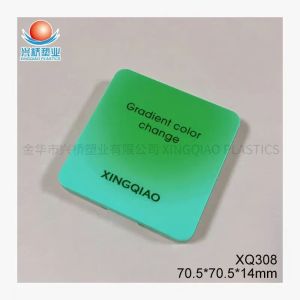
Six-compartment eyeshadow palette with brush compartment packaging
Category: Eyeshadow PaletteBrowse number: 408Number:Release time: 2026-01-06 03:25:49If you're looking for a more creative and practical eyeshadow product, then this six-compartment eyeshadow bag with a mirror and brush compartment is definitely the best choice.
News
Category:
No search results found!
Case
Category:
No search results found!
Video
Category:
No search results found!
Download
Category:
No search results found!
Job
Category:
No search results found!
Featured Products
No search results found!
 Mobile phone: +008613868982062
 Fax: +86-579-82196656
 Website:
  Address:No. 377, Yongxue Street, Wucheng District, Jinhua City, Zhejiang Province



 Phone
Phone